
Home automation has become a practical part of many modern homes. Automation companies in Dubai work with different smart devices and systems that can make lighting, security, climate control, entertainment, and other home functions easier to manage. These systems can be controlled through wall panels, mobile apps, voice commands, sensors, or automatic schedules. The services offered can vary depending on the size of the home and the needs of the people living there.
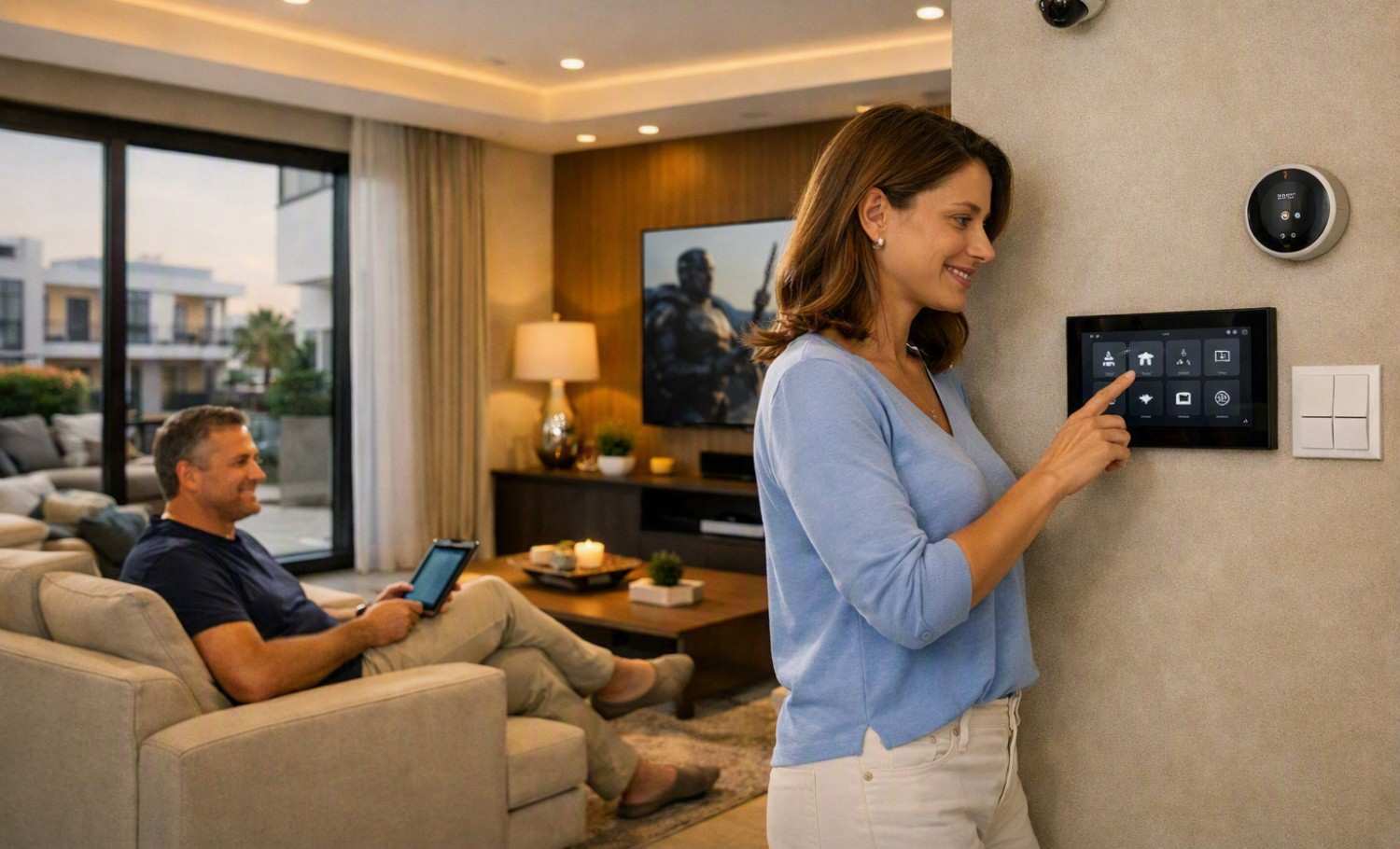
Smart Lighting Control
Smart lighting is one of the most common home automation services. It allows homeowners to control lights without using traditional switches for every room. Lights can be turned on or off through a mobile application, remote control, voice command, or central control panel.
Lighting can also work according to schedules and sensor activity. For example, lights can switch on when someone enters a room and turn off when the room is empty. Users can also create different lighting settings for activities such as reading, watching movies, dining, or relaxing.
Home Security Automation
Home automation can connect several security devices into one system. These may include smart door locks, security cameras, motion sensors, video doorbells, window sensors, and alarm systems.
A connected security system can provide information about activity around the home. For example, a motion sensor can detect movement and send an alert to a connected device. Smart locks can also allow users to manage access without depending only on traditional keys.
Connecting these devices can make it easier to monitor different areas of a home from a single interface.
Climate and Temperature Control
Temperature control is another important part of home automation. Smart thermostats and climate control systems can help manage air conditioning and heating based on schedules, room temperature, or occupancy.
A smart thermostat can adjust the temperature automatically when certain conditions are met. Users can also change settings remotely through a phone or another connected device.
This type of automation can provide better control over indoor comfort. It can also help avoid unnecessary operation of air conditioning systems when rooms are not being used.
Smart Home Entertainment
Home automation can also be used for entertainment systems. Television sets, speakers, projectors, streaming devices, and other equipment can be connected to a central control system.
Instead of using different remote controls, users may be able to manage several devices through one application or control panel. A home theatre system, for example, can combine lighting, audio, video, and screen controls into one setup.
Entertainment automation can also include preset scenes. A movie setting might lower the lights, turn on the television, and adjust the audio system with a single command.
Automated Curtains and Blinds
Motorized curtains and blinds are another service commonly included in home automation systems. They can be opened or closed using a remote, mobile application, voice command, or scheduled setting.
Sensors can also be used to control window coverings based on sunlight or other conditions. For example, blinds may close during strong sunlight to reduce glare inside a room.
This type of automation is useful in bedrooms, living rooms, offices, and spaces with large windows.
Voice Control and Smart Assistants
Voice control allows people to operate connected devices using spoken commands. Smart assistants can be connected with compatible lighting, security, entertainment, and climate systems.
A user may give a simple command to adjust lights, change the temperature, or start an entertainment device. Voice control can be particularly useful when people are busy with other tasks or when a physical control panel is not nearby.
The exact features depend on the devices and communication standards used in the home.
Centralized Home Control
Centralized control brings different smart systems together through one interface. Instead of managing lighting, security, climate, and entertainment separately, users can access compatible systems from a central panel or application.
This setup can also allow users to create schedules and scenes. For example, a morning routine could open selected curtains, adjust the temperature, and switch on specific lights at a set time.
Centralized control is especially useful in larger homes where many connected devices are installed.
Energy Monitoring and Automated Management
Some home automation systems provide information about energy use. Smart switches, meters, thermostats, and connected appliances can help users understand how electricity is being consumed.
Automation can also reduce unnecessary operation by switching devices off when they are not needed. Lights can respond to occupancy sensors, while climate systems can follow room usage or preset schedules.
Energy monitoring gives homeowners a clearer view of their consumption and can support better decisions about how connected equipment is used.
Installation, System Setup, and Integration
Home automation services can also include planning, device installation, system configuration, testing, and integration. Different smart products need to communicate correctly for the system to work as expected.
During setup, devices may need to be connected to a home network and configured through suitable software. The system can then be tested to make sure commands, schedules, sensors, and connected equipment respond correctly.
Understanding these different services helps homeowners know what can be included in a smart home system. From lighting and security to climate control and entertainment, Automation companies in Dubai can work with a wide range of connected home technologies depending on the requirements of a particular property.