
Choosing the right Smart Home Security Integration system is important for anyone who wants better control and protection at home. Modern security systems do much more than sound an alarm. They connect different smart devices into one easy-to-use system. Cameras, smart locks, motion sensors, lighting, and mobile apps work together to improve safety and make daily life more convenient. Understanding the most useful features can help you choose a system that fits your home's needs without adding unnecessary complexity.
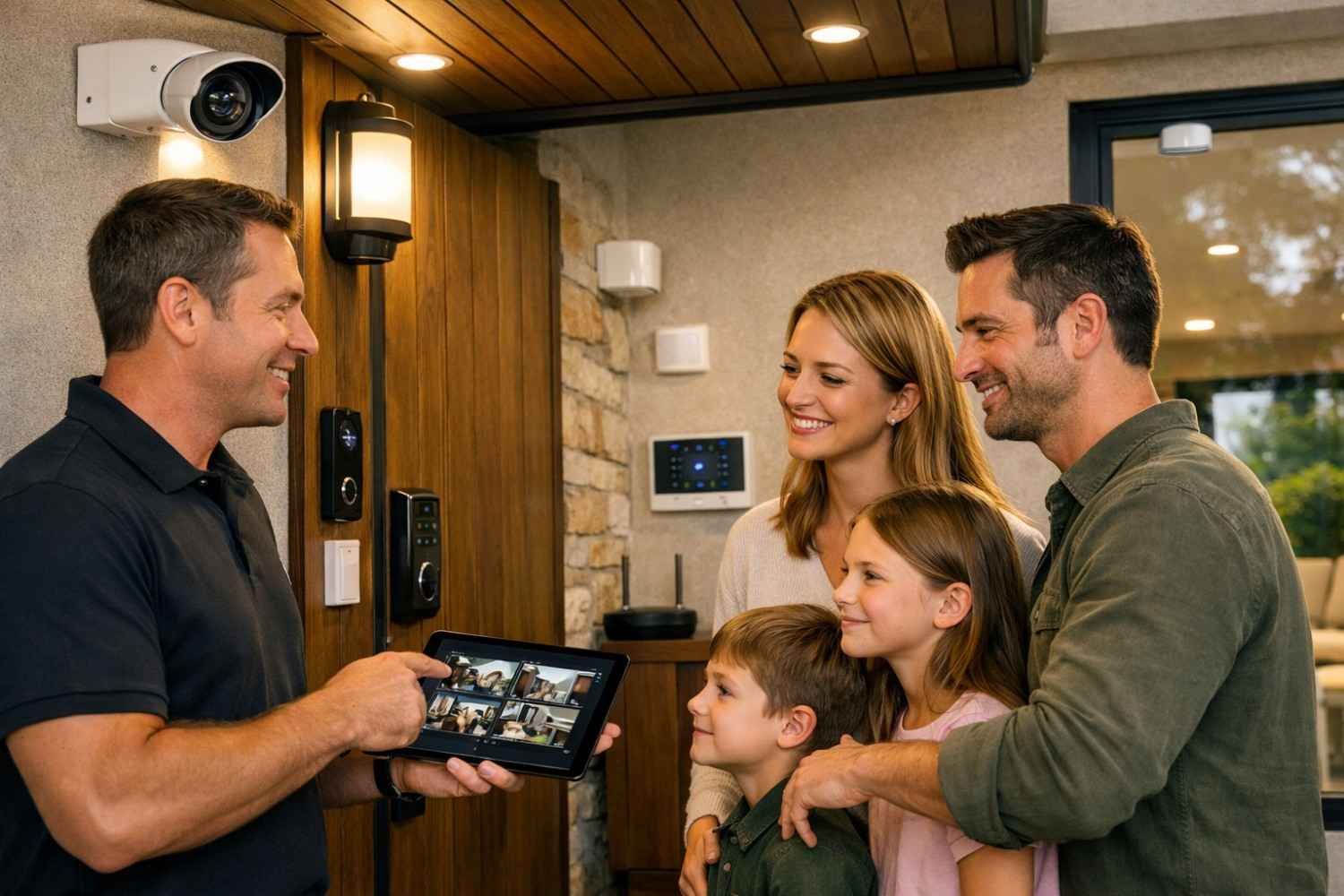
Easy Device Connection
One of the most important features is the ability to connect different security devices together. A smart security system should allow cameras, door sensors, motion detectors, alarms, and smart locks to work as one complete setup.
When all devices communicate with each other, they can respond quickly to different situations. For example, if a motion sensor detects movement, the security camera can begin recording automatically, and the homeowner can receive a notification on their phone.
A system that supports easy device connection also makes future upgrades much easier.
Mobile App Control
Many people want to manage their home security from anywhere. A good mobile app makes this possible by giving access to important controls through a smartphone or tablet.
With mobile access, users can:
- Lock or unlock doors
- View live camera footage
- Receive security alerts
- Turn alarms on or off
- Check device status
A simple and easy-to-use app helps homeowners stay informed even when they are away from home.
High-Quality Security Cameras
Security cameras are one of the main parts of any smart home security system. Clear video quality makes it easier to identify people, vehicles, or other activities around the property.
Some useful camera features include:
- HD video recording
- Night vision
- Wide viewing angles
- Motion detection
- Two-way audio
These features help homeowners monitor different areas both during the day and at night.
Smart Door Locks
Traditional keys can be lost or copied. Smart door locks offer a more convenient way to manage home entry.
Many smart locks allow users to:
- Unlock doors using a mobile phone
- Create temporary access for visitors
- Check lock history
- Receive notifications whenever the door is opened
This provides greater control over who enters the home while reducing the need for physical keys.
Motion and Door Sensors
Motion sensors and door sensors help detect unexpected activity inside or outside the house.
Door and window sensors send alerts when they are opened unexpectedly. Motion sensors detect movement in selected areas and can trigger alarms or cameras.
These devices work quietly in the background and help homeowners react quickly if unusual activity is detected.
Smart Lighting Integration
Lighting can also improve home security. Smart lights can automatically turn on when motion is detected or follow schedules that make the home appear occupied.
This feature can help improve visibility around entrances and outdoor spaces while adding convenience to everyday living.
Smart lighting can also be controlled remotely using the same mobile application as other connected devices.
Instant Notifications
Fast alerts are an important part of any security system. Instead of waiting until returning home, homeowners receive updates immediately when something happens.
Notifications may include:
- Motion detected
- Door opened
- Alarm activated
- Camera activity
- Low battery warnings
Quick notifications help users stay aware of their home's security status throughout the day.
Automation Features
Automation allows different smart devices to work together without manual control.
For example, when someone unlocks the front door:
- Indoor lights can switch on automatically.
- The security system can disarm.
- Cameras can stop recording inside the home.
These automatic actions make daily routines easier while improving overall security.
Reliable Internet and Backup Options
Most smart security systems depend on an internet connection. A reliable network helps devices communicate without interruption.
Some systems also include backup options that continue working during internet or power outages. Backup batteries and alternative communication methods help maintain protection during unexpected situations.
Checking these features before choosing a system can help avoid future problems.
Data Privacy and User Security
Security is not only about protecting the house but also about protecting personal information.
A good system should use secure login methods and encrypted communication between devices. Regular software updates also help improve system performance and reduce security risks.
Users should always create strong passwords and keep their applications updated for better protection.
Easy Installation and Future Expansion
Some homeowners start with only a few smart devices and add more later. Choosing a system that supports future expansion makes upgrades easier.
For example, a homeowner may begin with cameras and smart locks, then later add:
- Video doorbells
- Smoke detectors
- Water leak sensors
- Smart garage door control
A flexible system grows with changing needs without requiring a complete replacement.
The right Smart Home Security Integration system combines useful features that improve safety, convenience, and daily control. Looking at device compatibility, mobile access, smart automation, cameras, sensors, reliable connectivity, and privacy features can help homeowners make informed decisions when selecting a system that matches their home's security needs.