
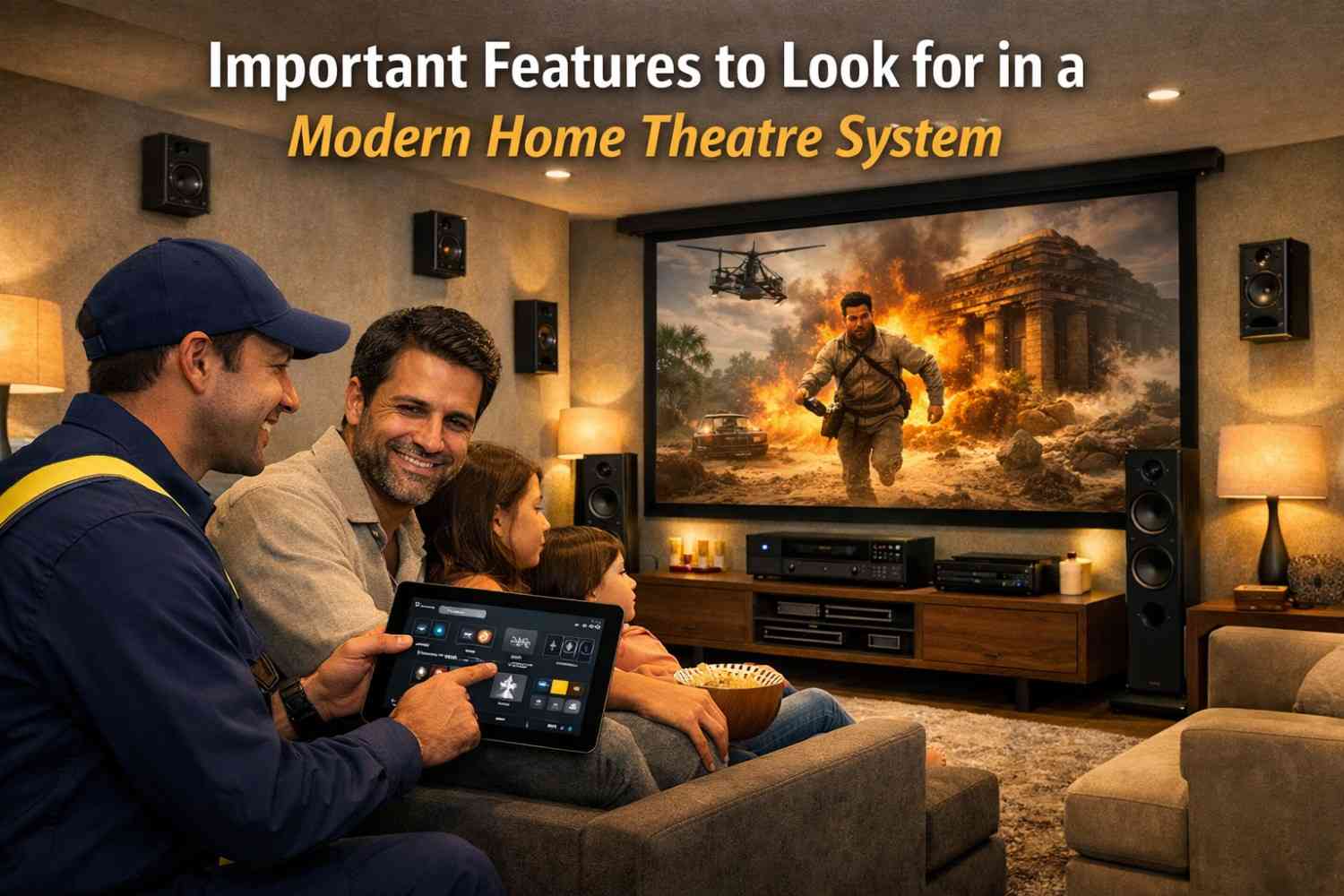
A good entertainment setup can completely change the way people enjoy movies, sports, music, and gaming at home. Many homeowners now prefer Home theatre solutions because they provide a more comfortable and immersive viewing experience. However, choosing the right system is not always simple. Different systems come with different features, and understanding these features can help people make better decisions for their homes.
Sound Quality and Speaker Performance
Sound quality is one of the most important parts of any home theatre system. Clear and balanced audio makes movies and music more enjoyable. A system with poor sound can reduce the overall experience, even if the screen quality is excellent.
Most modern systems include surround sound speakers that create audio from different directions. This makes action scenes, dialogue, and background music sound more realistic. Many people prefer systems with subwoofers because they improve bass performance and make sound deeper and more powerful.
Speaker placement also matters. Front, center, and rear speakers should work together to create smooth audio throughout the room. A properly balanced system can make viewers feel more connected to what they are watching.
Display Size and Picture Quality
The display is another major feature to consider. Large screens with high picture quality can improve the viewing experience significantly. Many homeowners choose 4K or Ultra HD displays because they provide sharper details and clearer colors.
Brightness and contrast levels are also important. A good display should perform well in both bright and dark rooms. Strong contrast helps viewers see details in shadows and bright scenes more clearly.
Screen size should match the room size. Very large screens in small rooms may feel uncomfortable, while smaller screens in large rooms may not provide the desired cinema effect. Proper viewing distance is necessary for comfortable entertainment.
Smart Connectivity Options
Modern home theatre systems should support multiple connectivity options. This allows users to connect streaming devices, gaming consoles, laptops, and mobile phones easily.
Wireless connectivity features such as Bluetooth and Wi-Fi make systems more convenient. These features help users stream music or videos without using extra cables. HDMI ports are also essential because they support high-quality video and audio transfer between devices.
Smart integration is becoming more common in modern systems. Some setups allow users to control lighting, audio, and streaming applications through a single remote or mobile app. This creates a simpler and more organized entertainment experience.
Comfortable Seating and Room Layout
A home theatre system is not only about screens and speakers. Room comfort also plays a major role in the overall experience. Comfortable seating helps people enjoy long movies and gaming sessions without discomfort.
The layout of the room should support both sound and viewing angles. Seats should face the display directly, and viewers should have a clear line of sight. Poor seating arrangements can reduce viewing comfort and sound balance.
Room size also affects audio performance. Large empty rooms may create echoes, while smaller rooms may make sound feel too strong. Soft materials such as carpets and curtains can help improve sound quality by reducing unnecessary noise reflections.
Lighting Control and Viewing Environment
Lighting has a direct effect on picture quality and viewing comfort. Too much light can create reflections on the screen, while very dark rooms may cause eye strain during long viewing sessions.
Many people prefer adjustable lighting systems because they provide better control over the room environment. Soft background lighting can create a more relaxing atmosphere while reducing glare on the screen.
Window coverings are also useful for controlling natural light during daytime viewing. A balanced lighting setup improves both comfort and display visibility.
Easy Control Systems
Simple controls make home theatre systems easier to use for all family members. Complicated settings and multiple remotes can create confusion and reduce convenience.
Universal remotes are popular because they allow users to manage different devices from one place. Some systems also include voice control features that help users adjust sound, switch inputs, or play content using simple voice commands.
Mobile applications are another useful feature. They allow users to control the system directly from smartphones or tablets, making the overall experience smoother and more practical.
Reliable Audio and Video Compatibility
Compatibility between devices is very important when selecting a home theatre system. Audio and video equipment should work together without connection problems or quality loss.
Modern systems should support current video formats and audio technologies. This helps users enjoy better sound clarity and improved picture performance. Compatibility with streaming platforms and smart devices is also important because many people now watch online content regularly.
Future-ready systems can also reduce the need for frequent upgrades. Choosing equipment with updated technology support can help homeowners use their systems for many years.
Storage and Cable Management
Many entertainment setups include several devices such as speakers, gaming consoles, streaming boxes, and media players. Without proper organization, cables can quickly make the room look messy.
Good cable management improves both safety and appearance. Hidden cables create a cleaner and more organized space. Storage cabinets or wall-mounted units can help keep devices secure while maintaining a modern room design.
Proper ventilation around devices is also important because electronic equipment may become warm during long usage periods. Good airflow helps maintain system performance and durability.
People looking for reliable entertainment setups often focus on sound quality, display performance, connectivity, comfort, and easy control options. Understanding these features can help homeowners choose systems that match their room size, lifestyle, and entertainment needs. Well-designed Home theatre solutions can provide a more enjoyable and organized viewing experience for families and guests.