
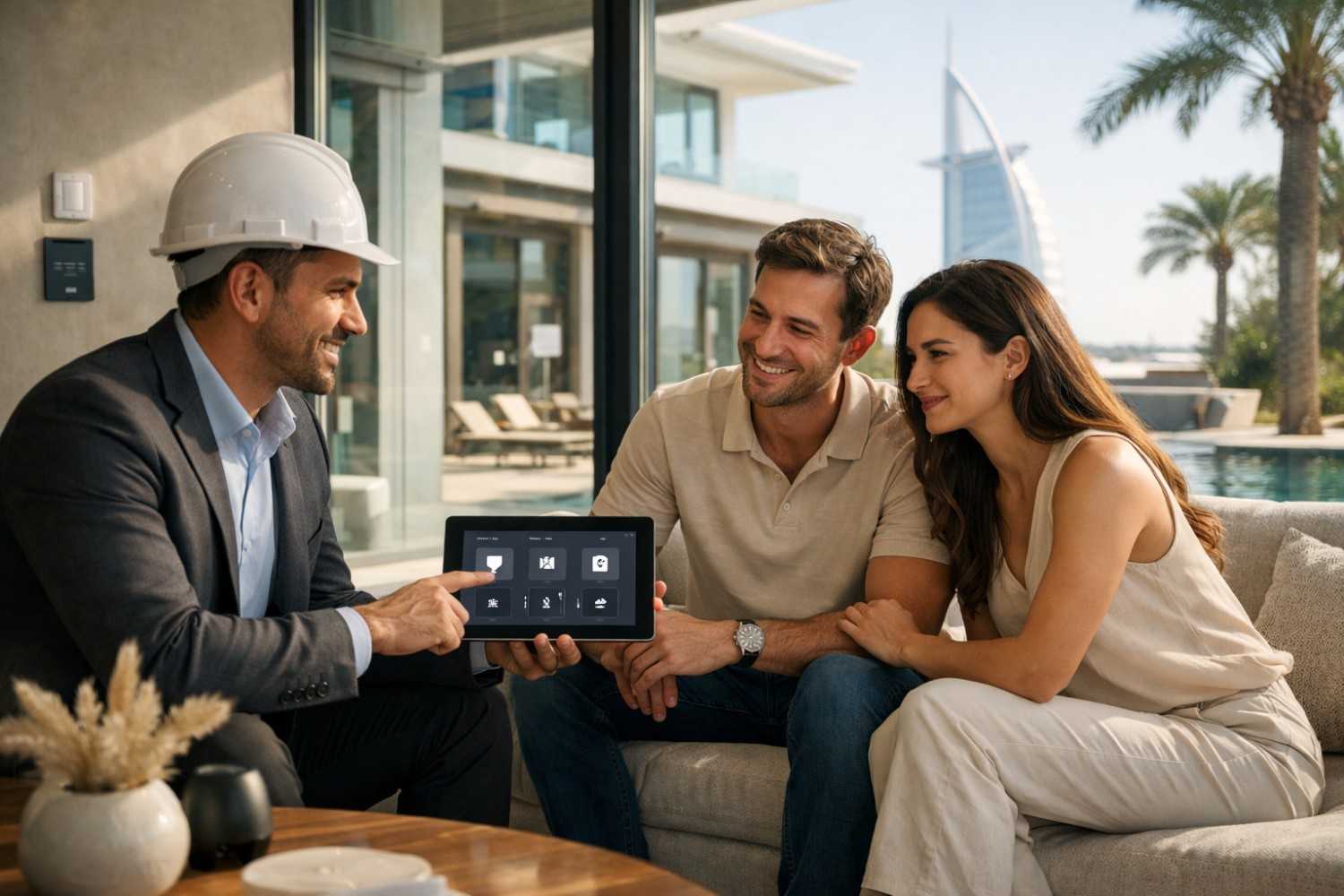
Choosing a smart system for a home or building is not the same for every property. Villas, apartments, and commercial spaces all have different needs. A proper evaluation helps in understanding what system fits best and what should be avoided.
When people explore smart home automation dubai, they often see many options, but not all solutions work the same way for every property type. The right choice depends on layout, size, usage, and future expansion needs. This guide explains simple points to check before deciding on any system.
Understanding Property Type Requirements
Every property type has different usage patterns. A villa may need full control of lighting, gates, garden systems, and security cameras. An apartment usually focuses more on lighting, curtains, and climate control. Commercial buildings may require centralized control for multiple floors.
Understanding these differences helps in selecting features that actually match daily needs. It also avoids unnecessary features that may not be used. A clear view of property requirements is the first step in building an effective system plan.
Checking System Compatibility and Integration
Not all smart systems work well with all devices. Compatibility is important when connecting lighting, air conditioning, security systems, and entertainment units.
Some properties already have installed systems. In such cases, the new solution should be able to integrate with existing setups. If systems do not connect properly, users may face control issues or limited performance.
Before selecting any option, it is useful to check whether the system supports common standards and can connect with different brands and devices without complex setup.
Evaluating Security and Data Control
Security is an important part of smart systems because many devices are connected to the internet. Cameras, locks, and sensors all share data that must stay protected.
A good evaluation includes checking how data is stored, whether it is encrypted, and who can access it. For residential properties, privacy is important. For commercial spaces, data control becomes even more critical due to multiple users.
It is also important to understand how updates are handled, as regular updates help improve system protection over time.
Ease of Use for Daily Living
A smart system should make life simpler, not complicated. The interface should be easy to understand for all users in the property, including children or elderly people.
Voice control, mobile apps, and wall panels are common ways to operate systems. The best setup is the one that feels natural and easy to use every day.
If a system is too complex, users may avoid using it fully, which reduces its value. Simple design and clear controls are key factors in evaluation.
Scalability for Future Needs
Properties change over time. A family may add more rooms, or a business may expand to another floor. A good smart system should support future upgrades without major changes.
Scalability means the system can handle new devices and features without needing a complete replacement. This helps in long-term planning and avoids extra costs later.
Before final selection, it is useful to check if the system allows easy addition of new devices and functions.
Energy Management and Efficiency
Smart systems are often used to manage energy use in homes and buildings. Lighting control, thermostat automation, and sensor-based systems can help reduce waste.
When evaluating solutions, it is helpful to check how the system tracks and manages energy usage. Some systems offer reports that show daily or monthly usage patterns.
This helps property owners understand where energy is being used and how it can be controlled better. It also supports more balanced and efficient living.
Installation and Maintenance Factors
Installation is an important part of the process. Some systems require wiring changes, while others are wireless and easier to install.
Maintenance is also important because systems may need updates or occasional troubleshooting. A simple system with clear support options is usually easier to manage over time.
Before choosing, it is useful to understand how long installation takes and what kind of technical support is available after setup.
Cost Evaluation and Long-Term Planning
Cost is not only about the initial setup. It also includes maintenance, upgrades, and possible expansion in the future.
A proper evaluation looks at both short-term and long-term expenses. Sometimes a slightly higher initial cost can reduce long-term issues and upgrade costs.
It is important to compare features with overall value rather than focusing only on price. This helps in making a balanced decision for different property types.
For anyone researching smart home automation dubai, understanding property type needs and system behavior is the key step before making any decision. A clear evaluation process helps match the right technology with the right environment without confusion or overcomplication.