
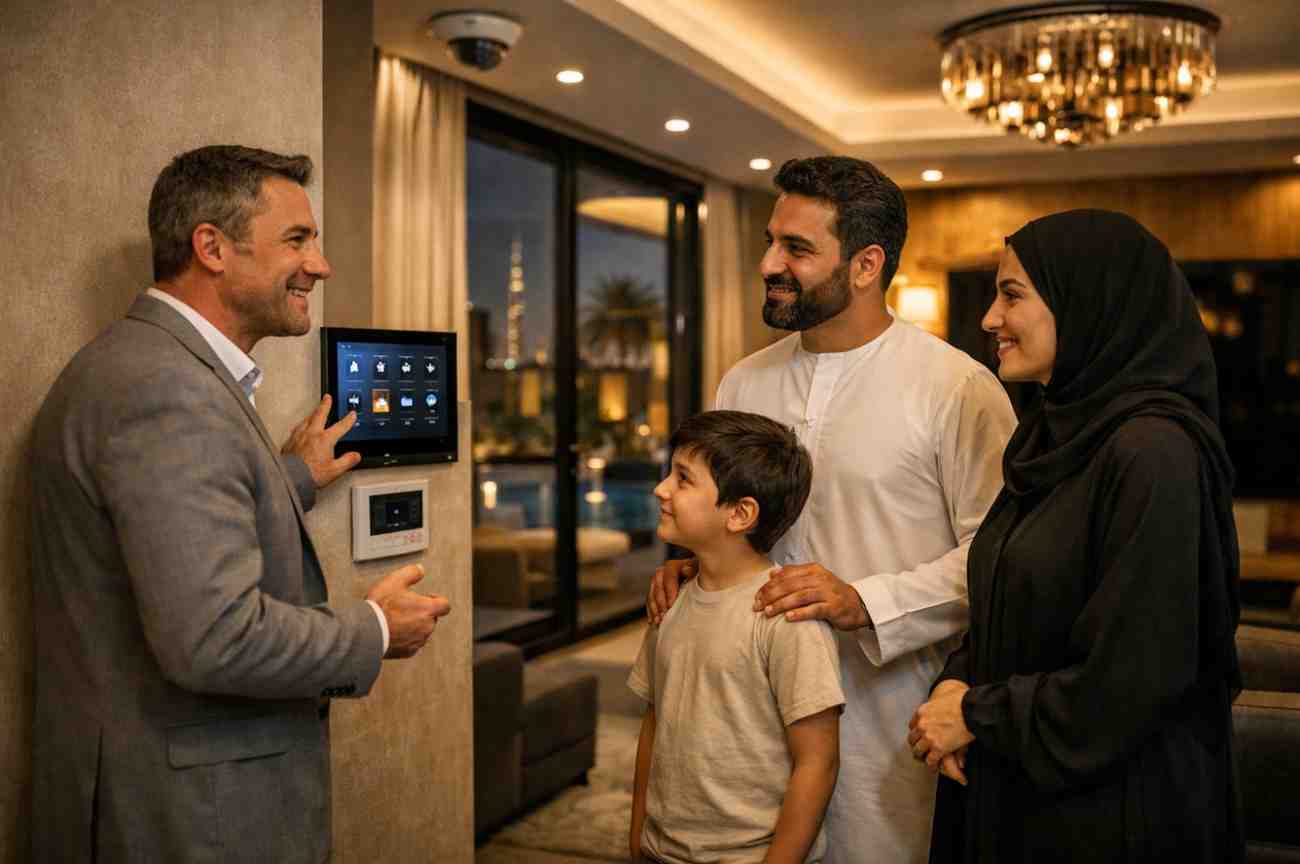
Villa owners are increasingly exploring smart home technology to improve convenience, security, and energy management. When looking for a Home Automation Company in Dubai, it is important to compare different installation options carefully. Not all smart home systems offer the same features, flexibility, or long-term value. Understanding the key factors can help homeowners select a system that matches their needs and lifestyle.
Understand Your Smart Home Requirements
The first step is to identify what you want your smart home system to do. Some homeowners focus on lighting automation, while others want complete control of security systems, climate control, entertainment devices, and window treatments.
Creating a list of priorities helps narrow down the available options. For example, a family may prefer automated lighting and security monitoring, while another villa owner may want advanced audio-visual integration throughout the property. Knowing your requirements before comparing systems makes the selection process much easier.
Check Device Compatibility
One of the most important factors when comparing smart home solutions is compatibility. A smart home system should work smoothly with various devices and brands. This includes lighting controls, smart locks, cameras, thermostats, speakers, and sensors.
Some systems are designed for a specific ecosystem, while others support a wider range of products. A compatible system allows homeowners to add new devices in the future without replacing the entire setup. This flexibility can save time and money over the long term.
Evaluate Ease of Use
A smart home system should be simple and convenient to operate. Homeowners should be able to control devices using a mobile application, tablet, touch panel, or voice commands.
When comparing options, look at the user interface and control methods. A clear and easy-to-use system improves the overall experience. Complicated controls can reduce the benefits of home automation and make daily use frustrating.
Compare Security Features
Security is a major reason many villa owners invest in smart home technology. Different systems offer different levels of protection and monitoring.
Important security features may include:
- Smart door locks
- Video doorbells
- CCTV camera integration
- Motion detection
- Window and door sensors
- Remote monitoring
Comparing these features can help homeowners choose a solution that supports their security goals. A well-integrated security system provides better visibility and control over the property.
Consider Energy Management Capabilities
Energy efficiency is another factor worth examining. Smart home systems can help manage electricity usage through automated lighting schedules, climate control settings, and occupancy-based adjustments.
Some systems provide detailed energy reports that help homeowners understand consumption patterns. Comparing these capabilities can help villa owners select a solution that supports better energy management and reduces unnecessary usage.
Look at Scalability Options
Many homeowners begin with a few automation features and expand later. For this reason, scalability should be part of the comparison process.
A scalable system allows additional devices and functions to be added without major modifications. For example, a villa owner may initially automate lighting and security but later decide to include home cinema controls or smart irrigation systems.
Choosing a system that supports future expansion can make upgrades simpler and more cost-effective.
Review Installation Quality and Planning
The installation process can affect the performance of a smart home system. Professional planning helps ensure devices communicate properly and operate reliably.
When comparing installation options, consider factors such as:
- Site assessment process
- Wiring requirements
- Device placement planning
- Network infrastructure
- System testing procedures
A well-planned installation reduces technical issues and supports smooth operation throughout the villa.
Examine Maintenance and Technical Support
Technology may require occasional updates, troubleshooting, or adjustments. Ongoing support is therefore an important consideration.
Some providers offer regular maintenance services, remote assistance, and software updates. Comparing support options helps homeowners understand what assistance will be available after installation. Reliable technical support can improve long-term system performance and user satisfaction.
Compare Integration with Lifestyle Needs
Every villa is different, and homeowners use their spaces in different ways. A smart home system should fit naturally into daily routines.
For example, families may benefit from automated schedules that manage lighting and air conditioning based on occupancy. Frequent travelers may prioritize remote access and security monitoring. Entertainment-focused homeowners may prefer advanced media and audio controls.
Comparing systems based on lifestyle requirements helps ensure the selected solution delivers practical value in everyday situations.
Assess Long-Term Value
While initial costs are important, long-term value should also be considered. A system that offers strong compatibility, reliable performance, future expansion options, and ongoing support may provide better value over time.
Villa owners should compare features, usability, maintenance requirements, and upgrade possibilities rather than focusing only on installation costs. Taking a broader view helps identify a solution that remains useful for years.
When reviewing available smart home solutions, working with a Home Automation Company in Dubai can help homeowners better understand different technologies and installation approaches. Careful comparison of features, compatibility, security, scalability, and support can make it easier to select a system that aligns with the needs of a modern villa.